

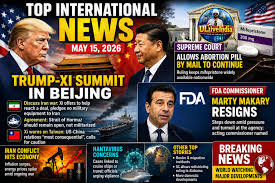
Global political developments today are being driven by escalating regional conflicts, shifting alliances, economic policy pressure, and increasing diplomatic efforts to stabilize fragile international systems. Governments, alliances, and international institutions are making rapid decisions that directly influence energy security, trade stability, and global peace negotiations across multiple regions worldwide.
Middle East Conflict And Global Security Pressure
Iran And United States Diplomatic Tension
Tensions between Iran and the United States remain one of the most influential political issues shaping global decision-making. Leaders are balancing military threats with diplomatic negotiations, while warnings from regional actors suggest that escalation could destabilize energy markets and trigger wider international conflict affecting global alliances and security frameworks.
Israel And Lebanon Border Escalation
Ongoing instability along the Israel–Lebanon border continues to influence international diplomatic strategies. Despite ceasefire efforts, renewed strikes and military responses are increasing pressure on global institutions to intervene, while humanitarian concerns are pushing governments toward emergency coordination and conflict resolution talks.
Strait Of Hormuz Energy Security Risks
Global political decisions are heavily influenced by risks to the Strait of Hormuz, one of the world’s most important oil transit routes. Any disruption here affects global energy pricing, inflation, and trade stability, forcing governments to prepare emergency economic and security responses.
Regional Mediation Efforts
Countries such as Pakistan and other diplomatic actors are actively engaging in mediation efforts between conflicting parties. These interventions aim to prevent broader war escalation and reduce geopolitical instability, highlighting the growing role of middle-power diplomacy in global crisis management.
Global Military Readiness Concerns
Nations across Europe, Asia, and North America are increasing security readiness due to uncertain conflict dynamics. Defense cooperation, intelligence sharing, and strategic alliances are being strengthened as governments prepare for possible spillover effects from regional wars.
Global Economic Policy And Political Decision Making
Inflation And Energy Price Politics
Rising energy prices caused by geopolitical instability are forcing governments to revise economic policies. Political leaders are implementing subsidies, tax adjustments, and cost-of-living relief measures to stabilize public sentiment while managing inflation risks across major economies.
IMF And Fiscal Stability Pressure
International financial institutions are warning governments about rising debt levels and political instability affecting economic growth. Countries are being urged to maintain fiscal discipline while balancing social spending and economic recovery priorities amid global uncertainty.
Trade Policy Adjustments
Global trade systems are shifting as countries reassess supply chain dependencies and strategic imports. Governments are increasingly using trade restrictions, tariffs, and strategic partnerships to secure critical resources such as energy, food, and technology components.
Currency And Market Stability Decisions
Central banks and finance ministries are closely coordinating policies to stabilize currencies and financial markets. Political decisions are increasingly tied to market reactions, making economic governance more sensitive to global events than ever before.
Energy Security Policy Shifts
Governments are prioritizing long-term energy independence strategies, including diversification of fuel sources and investment in renewable energy systems. These policies are directly influenced by ongoing geopolitical risks and supply chain vulnerabilities.
International Alliances And Diplomatic Realignment
NATO And Western Strategic Coordination
Western alliances are strengthening military and diplomatic coordination in response to global instability. NATO countries are focusing on defense readiness, intelligence cooperation, and joint crisis planning to maintain regional stability.
Asia Pacific Strategic Balancing
Countries in the Asia Pacific region are adjusting diplomatic strategies to balance relations between major global powers. Trade, defense, and technology partnerships are becoming central to political decision-making in the region.
China And Global Influence Expansion
China continues expanding its diplomatic and economic influence through infrastructure investments, trade partnerships, and technological cooperation, shaping global political decisions across developing and developed nations.
European Union Policy Coordination
The European Union is working to maintain unified responses to energy challenges, security threats, and economic instability. Internal political debates continue, but collective policy-making remains central to EU global influence.
Emerging Middle Power Diplomacy
Countries such as India, Brazil, Turkey, and Pakistan are increasingly playing mediating roles in global conflicts, reflecting a shift toward multipolar diplomacy in international politics.
Domestic Political Changes Influencing Global Affairs
Election Cycles And Leadership Shifts
Recent elections and leadership changes in multiple countries are influencing foreign policy directions and international partnerships, creating new dynamics in global decision-making structures.
Government Stability And Policy Pressure
Political instability in several major economies is affecting investor confidence and international relations, forcing governments to prioritize economic stability alongside foreign policy goals.
Legislative Security Expansion
Many countries are introducing stronger national security and cyber legislation to protect infrastructure and manage rising geopolitical risks, especially related to digital warfare and misinformation threats.
Public Opinion And Policy Direction
Governments are increasingly influenced by public sentiment on war, inflation, and climate policy, making domestic politics a key driver of international decision-making.
Governance Reform Discussions
International institutions and national governments are debating reforms aimed at improving transparency, accountability, and efficiency in global governance systems.
Climate And Environmental Political Decisions
Global Climate Emergency Pressure
Climate change is increasingly being treated as a political priority, with governments urged to declare stronger emergency responses due to rising environmental disasters and public health risks.
International Climate Agreements
Countries are negotiating stronger climate commitments focused on emissions reduction, renewable energy expansion, and carbon neutrality targets.
Disaster Response Coordination
Political systems are being tested by extreme weather events, requiring international coordination for disaster relief, infrastructure rebuilding, and humanitarian aid delivery.
Energy Transition Policy Conflict
Debates continue between fossil fuel dependency and renewable energy transition strategies, creating political tension between economic growth and environmental responsibility.
Environmental Security Integration
Climate issues are increasingly being integrated into national security planning, as governments recognize environmental risks as a long-term geopolitical threat.
Technology, AI, And Digital Policy Politics
AI Regulation And Governance
Governments are developing new frameworks to regulate artificial intelligence, focusing on safety, misinformation control, and ethical deployment across industries.
Cybersecurity And Digital Warfare
Political decision-makers are prioritizing cybersecurity as digital threats become more advanced, targeting infrastructure, elections, and financial systems globally.
Semiconductor And Tech Independence
Countries are investing in domestic chip production and technology independence strategies to reduce reliance on foreign supply chains and strengthen economic security.
Data Privacy And Digital Rights
Debates over data protection and digital privacy are shaping new laws as governments try to balance innovation with citizen protection.
AI And Economic Transformation
Artificial intelligence is influencing economic policy decisions, labor markets, and industrial strategy, making it a central factor in global political planning.
What is the biggest political issue today?
The Middle East conflict and its global security and energy impact remain the most critical issue.
Why are global politics becoming more unstable?
Conflicts, economic pressure, and shifting alliances are increasing international uncertainty.
How does energy affect global politics?
Energy supply disruptions directly influence inflation, trade, and diplomatic relations.
Are governments cooperating more internationally?
Yes, but cooperation is increasingly challenged by competing national interests.
How is AI influencing politics?
AI is shaping regulation, cybersecurity policy, and global economic strategy.
Conclusion
Today’s political news highlights a world undergoing rapid transformation driven by conflict, economic pressure, climate urgency, and technological change. Governments are making high-stakes decisions that affect global stability, trade, and security. As international challenges grow more interconnected, diplomacy, cooperation, and strategic policy planning are becoming essential for maintaining balance in global affairs.